
What Makes a Wildlife Safari Ethical?
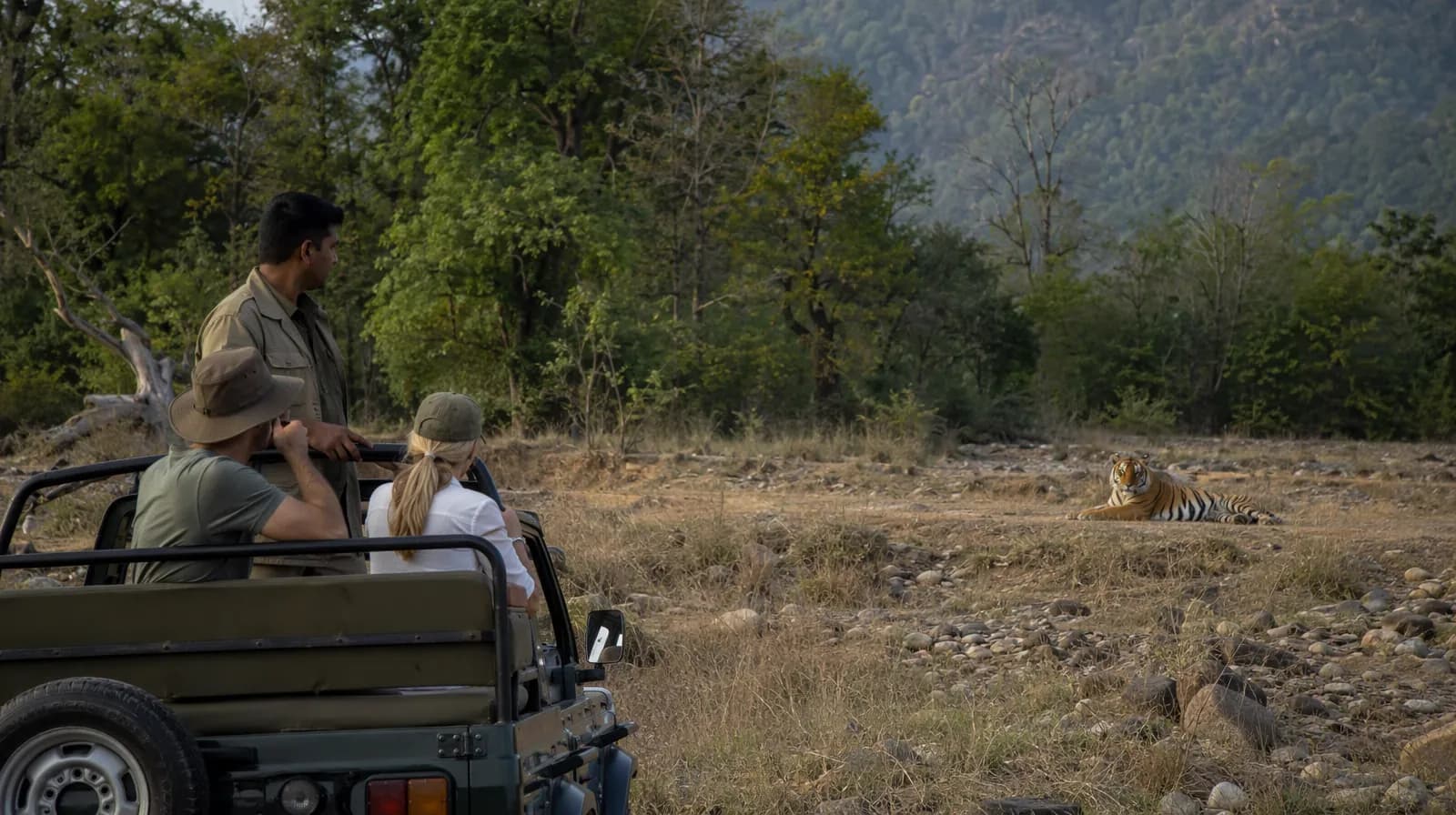
An ethical safari puts the animal’s freedom to behave naturally ahead of a guest’s photograph. The experience is built around observation, not contact. That principle should be visible in who guides you, how the vehicle is driven, what activities are sold and what the operator will refuse to do.
Start with the naturalist. Ask for a named guide, relevant training or certification, and any registration required by the reserve. A certificate is useful only when you can identify the issuing body and what was assessed. Local ecological knowledge, tracking judgement and the confidence to manage guest behaviour matter just as much.
Next, check the group. A typical private safari jeep carries two to six guests, depending on the authorised vehicle. A small group reduces noise and obstruction, but “small” should be a guaranteed maximum in writing—not a vague description that expands when another booking arrives.
Is My Safari Operator Ethical, or Just Well Marketed?
Look for published rules on distance, noise, designated routes, vehicle positioning and direct contact. A responsible naturalist will not chase, surround, feed or bait an animal, and will give it a clear route to leave. There is no universal distance that suits every reserve and situation; the operator should name the park rules it follows and explain how animal behaviour can require more space.
Finally, examine conservation and community involvement. A named partner, a defined role and recent evidence of work are stronger than “giving back”. Sustainable wildlife tours in India should also be able to explain local employment and how tourism revenue supports the places visited, without claiming that park fees alone prove operator-led conservation.
Ethical Practice vs. Red Flag
Use this table to ask for evidence before booking responsible wildlife tourism in India. The right-hand column describes practices to decline, not minor service preferences.
Red Flags to Avoid
- Elephant rides, chains used for tourist control, bathing with elephants or forced performances.
- Tiger petting, cub handling, predator selfies or any hands-on interaction presented as enrichment.
- Guaranteed sightings, baiting, feeding or calls used to manipulate animal behaviour.
- Vehicles leaving marked routes, blocking an animal’s path or crowding a sighting.
- No published animal-welfare policy, or no way to report a guide or supplier who breaks it.
- Conservation claims without a named organisation, activity, date or measurable contribution.
Want to apply these checks to Tentasy? Ask for our viewing rules, naturalist credentials and conservation details.
Review our private tours and question our approach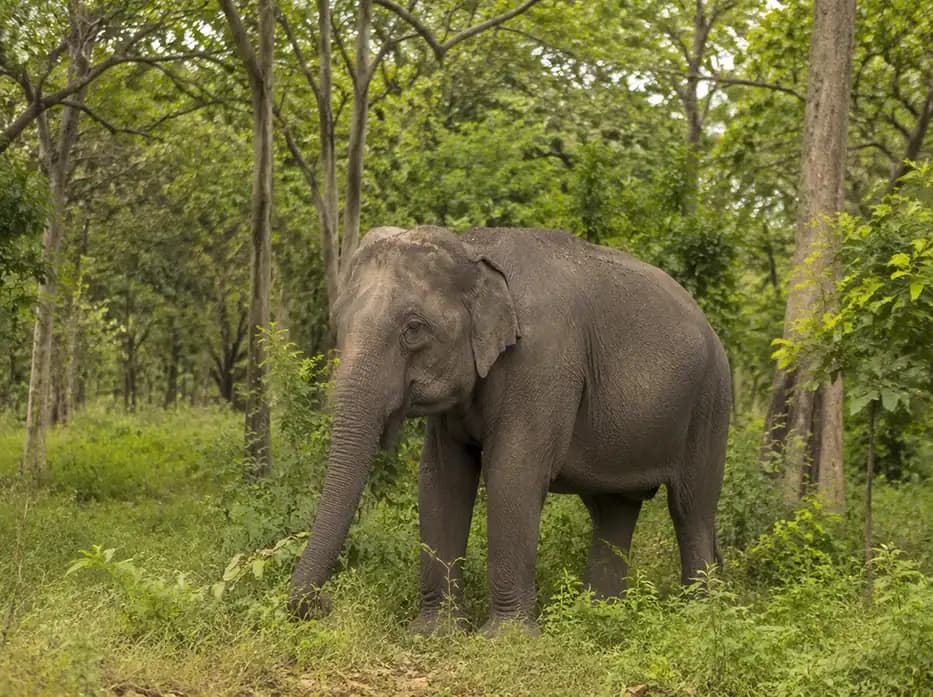
| Practice | What ethical looks like | Red flag |
|---|---|---|
| Guide credentials | Named naturalist, verifiable training and required local registration | No guide name, unclear credentials or no one responsible for guest conduct |
| Vehicle and group size | Exclusive vehicle with a stated maximum, commonly two to six guests | Unspecified numbers, overcrowding or unrelated guests added without agreement |
| Viewing behaviour | Designated routes, quiet observation, clear animal escape routes and park-specific distance rules | Off-route driving, chasing, surrounding animals or pressure to move closer |
| Animal interaction | Observation only; no riding, feeding, touching, baiting or performances | Elephant rides, tiger petting, selfies with captive wildlife or staged tricks |
| Conservation and communities | Named partners, a specific contribution and recent evidence of activity | Unnamed projects, vague donations or “eco” language without a practice behind it |
| Animal-welfare policy | Published rules covering guests, guides, drivers and activity suppliers | No written policy, or one that excludes the venues and third parties being sold |
What responsible practice looks like in plain, checkable terms.
Is It OK to Ride an Elephant in India?
No. Responsible wildlife-tourism practice rejects elephant rides and performances. These activities require a wild animal to be controlled for tourist entertainment, often through restrictive management and training that visitors cannot assess from a brief, calm-looking encounter. Chains, saddles and direct tourist contact are not features of an observation-only experience.
Sustainable Travel International’s elephant guidance advises travellers to avoid riding, bathing, swimming with and touching elephants, as well as tricks and shows. The ethical alternative is to watch natural behaviour without direct interaction. At a genuine observation-only venue, elephants can move freely and choose whether to approach; there are no rides or performances.
Apply the same rule elsewhere. Tiger petting and captive-predator selfies are not ethical substitutes for a wild safari. World Animal Protection specifically advises against tiger shows and selfies. Hands-on contact can habituate an animal to people and undermines the principle that wildlife is not a photographic prop.
Why India Doesn’t Have One Universal Ethics Certification—and What to Check Instead
Travellers familiar with African safari markets may look for an equivalent to SATSA or Fair Trade Tourism. India has useful training, membership and eco-rating schemes, but no single universal certification covers every ethical question about your guide, driver, lodge, activities and conservation claims. The answer is not to ignore credentials; it is to check their scope.
- Guide training and registration: verify the naturalist’s certificate, issuing organisation and required reserve registration. Training improves knowledge, but does not by itself prove field conduct.
- Accommodation eco-ratings: TOFTigers’ PUG and FOOTPRINT schemes can provide useful evidence about lodging and sustainability. A Sanctuary Nature Foundation overview explains the schemes and guide-training work. A lodge rating still does not certify every drive you take.
- Trade membership: an association can indicate professional standing, but membership is not automatically an animal-welfare or conservation audit.
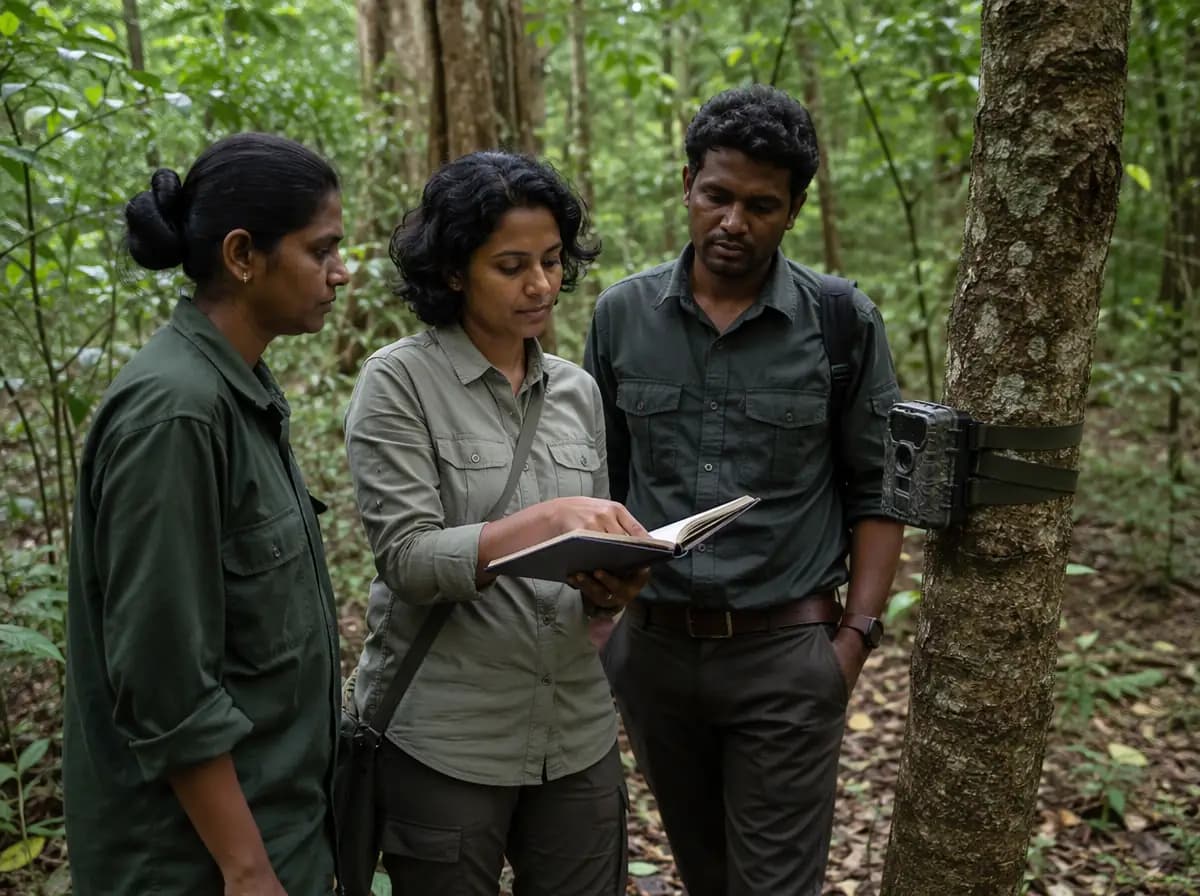
- Conservation partnerships: request the partner’s name, the operator’s exact role and recent examples. A logo without a current activity is weak evidence.
Our guide to choosing a private India safari operator covers the wider checks, including independent reviews, written inclusions and cancellation terms. You can also read Tentasy’s responsible-tourism approach, then ask us to substantiate it with current documents and named partnerships.
Questions to Ask Your Operator Directly
- 1Who will guide us, and what credentials do they hold? Request the naturalist’s name, training, certification issuer and any reserve registration. Ask whether the same person accompanies you throughout.
- 2What is our guaranteed maximum vehicle occupancy? Confirm an exclusive jeep and a written limit—typically two to six guests—rather than accepting “small group” without a number.
- 3Where are your distance and behaviour rules published? Ask how drivers handle off-route requests, crowding, noise, animal movement and guests who pressure them to get closer.
- 4Which conservation and community partners do you work with? Ask what the operator contributes, when the latest activity took place and where you can verify it.
- 5Can we read your animal-welfare policy before paying? It should prohibit rides, performances, petting, feeding and baiting; cover third-party suppliers; and explain how guests can report a breach.
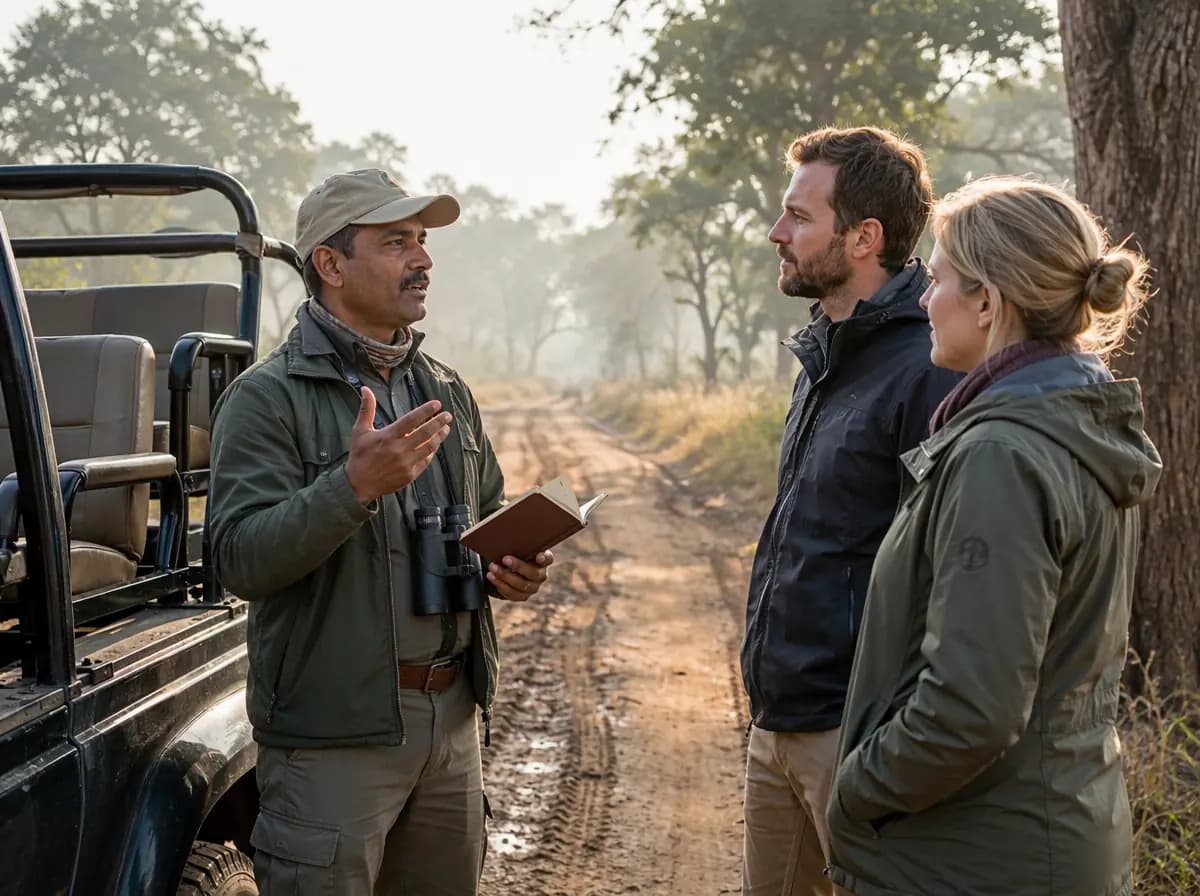
A credible operator should welcome these questions. Evasive answers, a sudden reliance on vague “eco-friendly” language or irritation at written follow-up all tell you something useful.
Frequently Asked Questions
Is it ethical to ride elephants in India?
No. Responsible wildlife-tourism practice rejects elephant rides and performances because they require direct control of a wild animal for entertainment. Choose observation without riding, bathing, touching or tricks. Wild elephants should be watched at a distance, with their movement unrestricted.
What is a safe distance from a tiger on safari?
There is no single distance that makes every tiger encounter safe or ethical. Follow the specific reserve’s rules and the naturalist’s instructions. Stay on designated routes, never chase or surround the animal, keep its path clear and give it more space if its behaviour changes. A distance quoted without the relevant park rule is not a complete answer.
Does a certification prove that my safari operator is ethical?
Not by itself. Check what the certification actually assesses, who issued it and whether it applies to the lodge, the operator or a particular activity. An accommodation eco-rating does not prove good vehicle conduct, while trade membership is not an animal-welfare audit. Verify current status and assess the other practices in this checklist.
Does Tentasy have an animal welfare policy?
Tentasy’s wildlife eco-tourism page explains its responsible-tourism approach. Before booking, ask for the current written animal-welfare policy, viewing rules and supplier standards. Check how they address direct contact, rides, performances, baiting, off-route driving, vehicle crowding and guide conduct rather than relying on a general assurance.

Surya Veloor Sundar
Partner & Lead Naturalist at Tentasy, wildlife photographer and naturalist with 12+ years of field experience across South Indian forests.
Meet the Tentasy team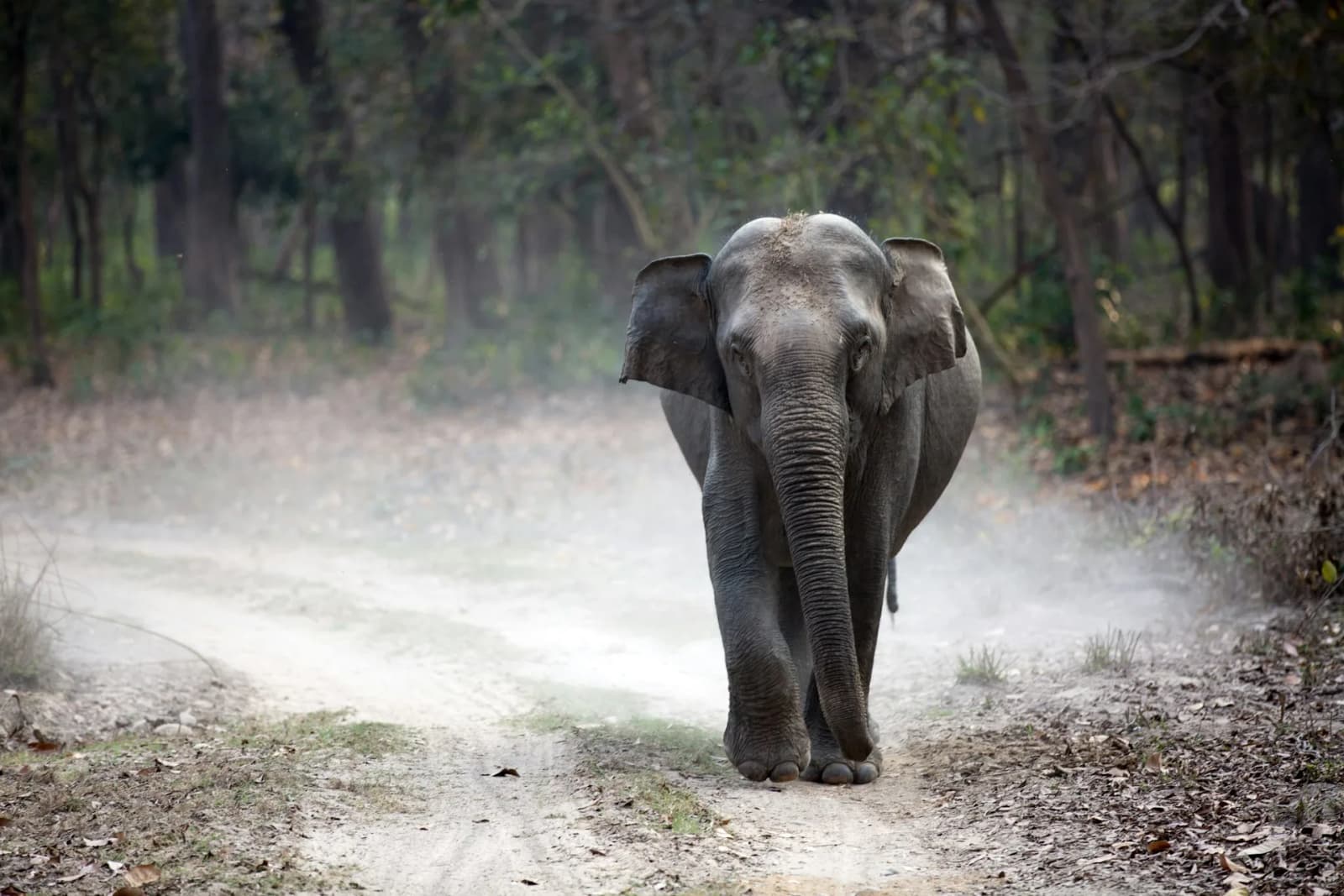
Ask us to prove what responsible means
Question Tentasy directly about our naturalist certifications, written viewing rules and conservation partnerships. Ethical travel begins with evidence, and we welcome the same scrutiny we recommend for every operator.